Characteristics
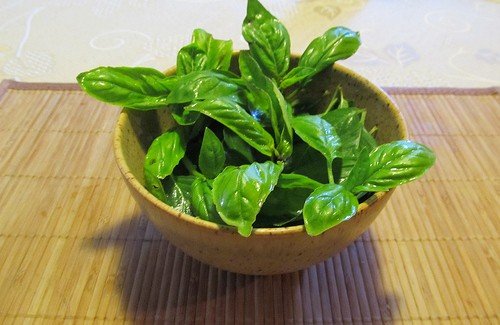
The scientific name of basil is Ocium Basilicum Varo Crispum and occurs annually or biannually according to environmental conditions. They have rough, toothed and oval leaves, their stem is erect and branched and the plant can measure up to 50 cm. At the top it presents white or less commonly purple flowers.
Popularly it takes other names, such as: Alfavaca, Alfavaca-smirosa, Alfavaca-de-jardim, Alfavaca-doce, Alfavaca-d’America, Basilicão, Basilico, Herbal, Basil-branco, Basil, Basil, Sweet Basil, Basil-Large.
For centuries the basil is known and used by various cultures, for various purposes, whether mystical, religious, medicinal or culinary, because it has peculiar characteristics of which we will speak a little better now.
properties
The medicinal properties of this plant are usually not very widespread, however they are many and worth mentioning some of them:
Combats tiredness, depression, migraine and insomnia
It is antispasmodic (suppresses the contraction of smooth muscle tissue, especially in tubular organs), digestive, diuretic and carminative (effective in the control of gases)
Combats lack of appetite, intestinal parasites and nervous dyspepsia
May increase milk secretion in pregnant women
Decrease febrile states
Excellent for improving skin irritations
Effective in curing laryngitis and pharyngitis
Deflates canker sores and sore nipples
Fight against acne
It has analgesic, antiseptic and cicatrizant properties
What’s more, they attribute aphrodisiac
Activates the immune system
Works against joint bone inflammations
How to use it
In order to enjoy the properties of this wonderful plant, it is possible to use it in different ways: infusions, ointments, cooking, cataplasms (homeopathic medical practices), tinctures, lotions, syrups, balsams, powder, soaps, creams, dry or fresh external use), or as a condiment in salads, vegetarian food, soups, meats, pasta, sauces and stews (internal use). One can consume it with olive oil or chopped garlic for all foods.
The cultivation of basil
An advantage to this plant is that it does not require too much space to have a few branches. Basil grows abundantly in pots or with planting in soil if you have a garden or garden, it is important that the plant always receive sunshine (6 – 8 hours of light a day), so it is more susceptible to growth in the summer, despite of being able to harvest leaves of basil during the whole period that has it in cultivation. It is important to keep it “sheltered” from lower temperatures during the winter.
If you are interested in growing this plant, the whole process is very simple, just sow it directly on naturally fertilized soil. One of the secrets to keeping the plant healthy is to always cut the flowers to prevent them from letting it grow.
No doubt this aromatic plant has wonderful properties and you can start to use it not only in cooking, but also in the prevention and combat of the most common diseases among which we have exposed here. And enjoy it!

 Daily Healthly